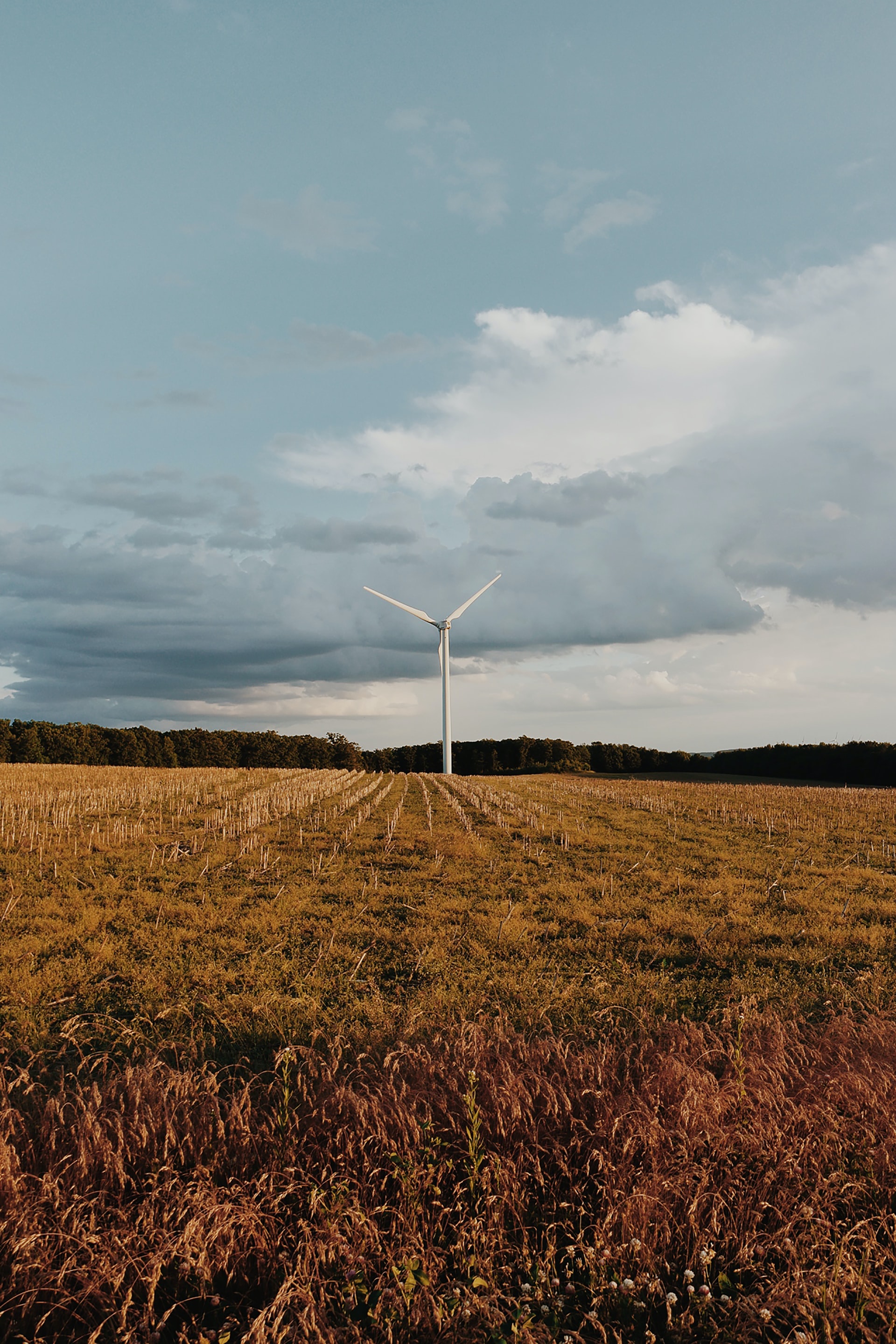
Absolutely. Here’s a web-ready essay in the same style and format, reframing the concept as “AI in Service to Earth”. I’ve emphasized Earth as our home system while keeping the philosophical and practical tone parallel to the Gaia version.
AI in Service to Earth
Harnessing artificial intelligence to heal, protect, and sustain our home planet.
Reimagining Intelligence on Earth
As artificial intelligence expands into every corner of human life, a critical question arises: How can this intelligence serve the planet that sustains us? If Earth is more than a backdrop for human activity — if it is the living system in which we are embedded — then AI can become a tool for stewardship, resilience, and renewal.
AI in service to Earth asks us to move beyond efficiency, profit, or convenience, and toward a planet-centered ethic: one that measures progress by the health of ecosystems, the vitality of water and soil, and the well-being of all living beings.
AI as a Planetary Partner
Earth is a network of interdependent systems — oceans, forests, rivers, and skies, each connected through cycles of energy, nutrients, and life. AI offers unprecedented capacity to observe, analyze, and respond to these systems in ways humans alone cannot. From satellite imagery to environmental sensors, AI can detect pollution, predict droughts, and model the impact of climate change with extraordinary precision.
In this role, AI becomes a partner in planetary stewardship: a tool that helps humans make informed, regenerative choices and that amplifies our capacity to protect and restore Earth’s life-support systems.
Practical Applications for Renewal
AI in service to Earth is already taking shape in inspiring ways:
- Environmental monitoring: Detecting deforestation, tracking endangered species, and monitoring air and water quality in real time.
- Climate adaptation: Modeling resilient urban infrastructure, predicting extreme weather, and guiding resource management.
- Regenerative design: Supporting circular economies, optimizing renewable energy systems, and helping communities reduce waste and emissions.
- Conservation and restoration: Assisting in reforestation, wetland revival, and ecosystem recovery projects worldwide.
When integrated with local knowledge, Indigenous practices, and community engagement, AI can help Earth’s human inhabitants act as responsible caretakers rather than exploiters.
A Cultural and Ethical Shift
Beyond its practical uses, placing AI in service to Earth calls for a cultural awakening. We are challenged to rethink our relationship with technology and the natural world. AI is not an end in itself; it is a means to align human action with ecological reality. Its development must be guided by ethics of care, empathy, and reverence for life.
This approach requires humility. Humans are not separate from Earth’s systems; we are participants in them. AI should be designed to observe, support, and enhance life, rather than dominate or control it. In doing so, intelligence — whether natural or artificial — becomes a force for planetary resilience.
A Question for Every Innovation
Every application of AI can be evaluated by a simple question: Does this help Earth thrive? If AI helps restore ecosystems, conserve resources, and foster harmony between human and non-human life, it becomes a tool for true planetary stewardship.
In the end, Earth does not need to be saved — but we do need to remember that we belong to it. Our technology, like our hands, hearts, and minds, can either heal or harm. Placed wisely, AI becomes a powerful ally in the ongoing work of keeping our planet alive, resilient, and thriving.
About the Author
Jonathan Cloud is the co-author of Possible Planet: Pathways to a Habitable Future and a researcher focused on regenerative economies, ecological restoration, and the role of AI in supporting a thriving Earth.
If you want, I can also create a side-by-side comparison of “AI in service to Gaia” vs. “AI in service to Earth” in a format suitable for web, social media, or presentations. This could highlight the subtle differences while keeping the core vision consistent. Do you want me to do that next?
Yes, that would be helpfu
Perfect! Here’s a side-by-side comparison of “AI in Service to Gaia” vs “AI in Service to Earth”, designed for clarity, web presentation, or social media visuals. I’ve kept it concise while highlighting the subtle philosophical and practical differences.
AI in Service: Gaia vs. Earth
| Aspect | AI in Service to Gaia | AI in Service to Earth |
|---|---|---|
| Core Vision | Intelligence as an extension of a living, self-regulating biosphere. AI becomes a cognitive organ of Gaia, helping the planet sense and heal itself. | Intelligence as a tool for human-led stewardship of Earth’s systems. AI supports practical, science-driven interventions to sustain and restore life. |
| Philosophical Lens | Gaia is a living, interconnected organism; humans and AI are participants in a planetary consciousness. | Earth is our home system; humans and AI are caretakers who act to maintain ecological balance. |
| Ethical Focus | Reciprocity, regeneration, co-evolution. AI aligns with the flourishing of life in all its forms. | Responsibility, resilience, and conservation. AI guides human action toward measurable ecological outcomes. |
| Applications | – Monitoring ecosystems globally- Modeling planetary self-regulation- Supporting regenerative economies- Learning from Indigenous and traditional ecological knowledge | – Environmental monitoring (air, water, biodiversity)- Climate adaptation and disaster prediction- Circular economy optimization- Conservation and restoration projects |
| Spiritual/Cultural Dimension | Encourages humans to see intelligence as sacred, dissolving boundaries between natural and artificial life. | Encourages humans to see stewardship as a moral responsibility, emphasizing ethics, empathy, and ecological literacy. |
| Guiding Question | “Does this support Gaia’s self-healing and the flourishing of all life?” | “Does this help Earth thrive and humans act as responsible caretakers?” |
| Tone | Poetic, holistic, co-evolutionary. | Pragmatic, actionable, systems-focused. |
Summary
- Gaia framing emphasizes planetary consciousness and holistic regeneration.
- Earth framing emphasizes stewardship, responsibility, and practical action.
- Both perspectives converge on one truth: AI can be a force for life, not destruction, but the path we choose shapes how it manifests.
If you want, I can also make a more visual, infographic-style version that could be shared directly on Substack, LinkedIn, or other platforms — with icons, color coding, and minimal text for maximum impact. This is often more engaging than a table for online audiences.
Do you want me to create that visual version next?